Introduction
Cybersecurity and privacy are two essential concepts in today’s digital world. People use online services for communication, banking, shopping, education, entertainment, business, and storing personal information. As digital activity increases, protecting information from cyber threats and controlling how personal data is collected and used have become increasingly important.
Although cybersecurity and privacy are closely connected, they are not the same thing.
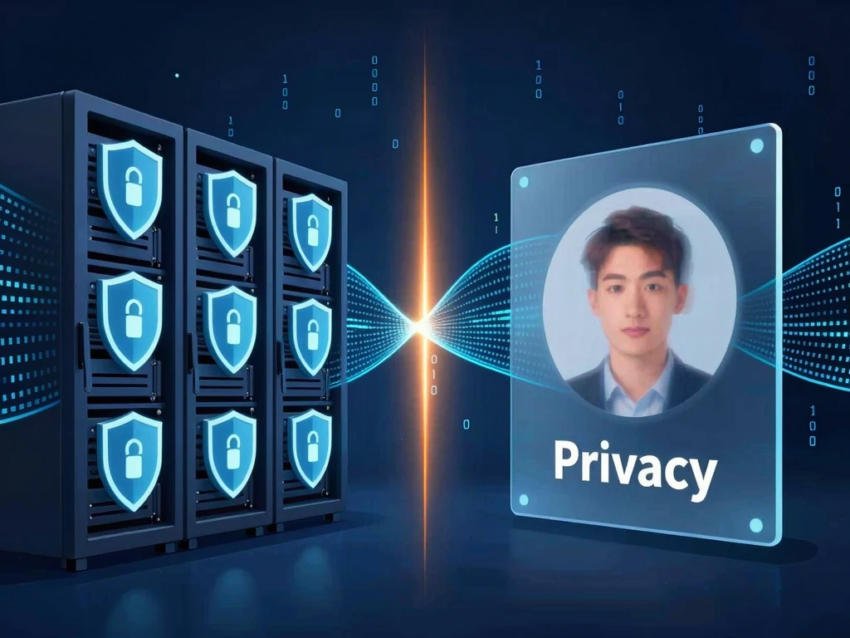
Cybersecurity focuses on protecting systems, networks, devices, applications, and information from unauthorized access, attacks, damage, and disruption.
Privacy focuses on how personal information is collected, processed, stored, shared, and controlled.
For example, encryption can protect your personal information from hackers. This is primarily a cybersecurity measure. Choosing not to provide unnecessary personal information to an application is primarily a privacy decision.
Understanding the difference between cybersecurity vs privacy can help individuals and businesses build stronger digital protection strategies.
This guide explains the key differences between cybersecurity and privacy, their relationship, common risks, benefits, best practices, and ways to stay protected online.
What Is Cybersecurity?
Cybersecurity is the practice of protecting digital systems and information from cyber threats.
It includes technologies, policies, processes, and practices designed to prevent unauthorized access and reduce the impact of attacks.
Cybersecurity can protect:
- Computers
- Smartphones
- Servers
- Networks
- Cloud systems
- Applications
- Databases
- Digital accounts
- Business information
Common cybersecurity technologies include firewalls, encryption, antivirus software, endpoint security, identity management, intrusion detection, and security monitoring.
What Is Privacy?
Privacy is about controlling personal information and understanding how organizations collect and use it.
Personal data may include:
- Name
- Email address
- Phone number
- Location
- Financial information
- Browsing activity
- Photographs
- Health-related information
- Device information
- Online identifiers
Privacy questions include:
- What information is being collected?
- Why is it being collected?
- Who can access it?
- Is it shared with third parties?
- How long is it stored?
- Can the user control or delete it?
Privacy is therefore strongly connected to transparency, choice, and responsible data handling.
Cybersecurity vs Privacy: The Main Difference
The simplest distinction is:
Cybersecurity protects information.
Privacy controls how personal information is handled.
Cybersecurity asks:
How do we prevent unauthorized people from accessing this information?
Privacy asks:
Should this information be collected, how should it be used, and who should have access to it?
Both questions are important.
A company could have excellent cybersecurity but collect more personal information than users expect.
Likewise, a company could have a privacy-friendly policy but still suffer from poor cybersecurity controls.
Strong digital protection requires both.
Cybersecurity and Privacy Work Together
Cybersecurity and privacy are different, but they overlap significantly.
Suppose a company stores customer names, email addresses, and payment information.
Privacy determines:
- What information should be collected
- Why it is needed
- How long it should be retained
- Who should use it
Cybersecurity determines:
- How the information is protected
- Who can access it
- How systems are monitored
- How unauthorized access is prevented
This relationship makes cybersecurity an important part of privacy protection.
Why Cybersecurity Matters
Cybersecurity is important because cyberattacks can cause significant damage.
Attackers may attempt to:
- Steal passwords
- Access financial accounts
- Install malware
- Encrypt files
- Steal customer data
- Disrupt business systems
- Hijack online accounts
- Commit identity theft
Strong cybersecurity controls can reduce the likelihood and impact of these incidents.
Why Privacy Matters
Privacy is important because personal information can reveal significant details about individuals.
Digital information can potentially reveal:
- Where someone lives
- Where they travel
- What they purchase
- What services they use
- Their interests
- Their online behavior
If organizations collect unnecessary information, users may have less control over their personal data.
Good privacy practices help users understand and manage their digital footprint.
Common Cybersecurity Risks
Phishing
Phishing attacks use deceptive messages to trick users into revealing information or clicking malicious links.
Malware
Malware includes malicious software designed to steal information, damage systems, or perform unauthorized actions.
Ransomware
Ransomware can restrict access to files or systems and may demand payment.
Password Attacks
Weak or reused passwords can allow attackers to access multiple accounts.
Social Engineering
Attackers may manipulate people into revealing information or performing unsafe actions.
Data Breaches
A breach can expose sensitive information stored by an organization.
Common Privacy Risks
Privacy risks can occur even without a traditional cyberattack.
Examples include:
Excessive Data Collection
A service may collect more information than is necessary for its core function.
Third-Party Sharing
Personal information may be shared with business partners or service providers.
Location Tracking
Applications may collect location information through device permissions.
Behavioral Tracking
Websites and applications may track online activity for analytics or advertising.
Poor Data Retention
Organizations may keep personal information longer than necessary.
Unclear Privacy Policies
Users may not fully understand how their data is being used.
Cybersecurity and Privacy in Social Media
Social media provides an excellent example of how cybersecurity and privacy overlap.
Cybersecurity concerns include:
- Account hacking
- Password theft
- Phishing
- Malicious links
- Account takeover
Privacy concerns include:
- Public posts
- Location information
- Personal photographs
- Contact information
- Behavioral data
- Third-party applications
Users should enable MFA, use strong passwords, review privacy settings, and avoid sharing unnecessary personal information.
Cybersecurity and Privacy in Online Banking
Online banking requires both strong cybersecurity and privacy practices.
Cybersecurity controls can include:
- MFA
- Encryption
- Fraud detection
- Secure authentication
- Transaction monitoring
Privacy considerations include how financial information is stored, processed, and shared.
Users should access banking services through official applications or websites and avoid entering credentials through suspicious links.
Cybersecurity vs Privacy in Business
Businesses need both cybersecurity and privacy strategies.
Cybersecurity teams may focus on:
- Network protection
- Endpoint security
- Threat detection
- Identity management
- Incident response
Privacy teams may focus on:
- Data collection
- Data usage
- Data retention
- User rights
- Privacy policies
- Third-party data processing
The two teams should work together because security incidents can create serious privacy consequences.
Data Protection Is a Shared Responsibility
Protecting information is not only the responsibility of IT departments.
Everyone who handles digital information has a role.
Employees should:
- Use secure passwords
- Enable MFA
- Avoid suspicious links
- Protect company devices
- Follow data-handling policies
- Report suspicious activity
Individuals should also take responsibility for their personal accounts and devices.
The Role of Encryption
Encryption is an important technology that connects cybersecurity and privacy.
It can help protect information from unauthorized access.
Encryption can be used for:
- Stored files
- Messaging
- Cloud data
- Device storage
- Network communication
- Backups
However, encryption does not solve every privacy problem.
If a company legitimately has access to decrypted information, encryption alone does not determine how that company should use the data.
The Role of Multi-Factor Authentication
Multi-factor authentication is primarily a cybersecurity measure, but it can also support privacy.
MFA helps prevent unauthorized access to accounts.
This is especially important for:
- Cloud storage
- Social media
- Banking
- Business systems
If an attacker cannot access an account, they may be less able to access the personal information stored inside it.
Privacy by Design
Privacy by design means considering privacy during the development of products and services.
Instead of collecting large amounts of information and worrying about privacy later, developers can build privacy controls into the system from the beginning.
Privacy-by-design practices may include:
- Data minimization
- Strong access controls
- Clear privacy settings
- Encryption
- Limited retention
- User control
This approach can help organizations build more trustworthy products.
Data Minimization
Data minimization means collecting only the information that is actually necessary.
For example, a basic application may not need access to a user’s:
- Contacts
- Microphone
- Camera
- Exact location
- Personal files
Reducing unnecessary data collection can improve privacy and reduce the potential impact of a breach.
Zero Trust and Privacy
Zero Trust security is primarily a cybersecurity model, but it can support privacy by limiting access to sensitive information.
Under Zero Trust principles, users and devices are not automatically trusted.
Access can depend on:
- Identity
- Device condition
- Context
- Permissions
- Risk
This can help prevent unnecessary access to sensitive data.
Artificial Intelligence and Privacy
Artificial intelligence creates both opportunities and privacy concerns.
AI systems may process large amounts of information, including:
- Documents
- Conversations
- Images
- Business records
- User behavior
Organizations should carefully consider what data AI systems are allowed to access.
Important practices can include:
- Limiting AI permissions
- Protecting sensitive prompts
- Reviewing data retention
- Controlling access
- Monitoring AI systems
- Avoiding unnecessary personal information
AI security and privacy will become increasingly important as businesses deploy more AI applications and agents.
Cloud Computing and Privacy
Cloud services allow organizations to store and process information remotely.
Cloud privacy depends on factors such as:
- Data location
- Access permissions
- Encryption
- Provider practices
- Data retention
- Third-party access
Businesses should understand their cloud provider’s security and privacy controls before storing sensitive information.
Mobile Privacy and Security
Mobile devices contain large amounts of personal information.
Users should:
- Use a secure screen lock
- Enable biometric protection
- Review application permissions
- Keep software updated
- Install trusted applications
- Disable unnecessary location access
- Avoid suspicious links
Security and privacy settings should be reviewed regularly because applications and operating systems can change their permissions over time.
How to Protect Your Cybersecurity
Individuals can strengthen cybersecurity by following these practices:
- Use strong, unique passwords.
- Enable MFA.
- Keep software updated.
- Use trusted security tools.
- Secure home Wi-Fi.
- Back up important files.
- Avoid suspicious links.
- Protect smartphones and computers.
- Monitor account activity.
- Learn about common scams.
How to Protect Your Privacy
Privacy protection requires careful control over personal information.
Practical steps include:
- Share less personal information.
- Review privacy settings.
- Check application permissions.
- Disable unnecessary location tracking.
- Delete unused accounts.
- Review connected applications.
- Understand privacy policies.
- Limit public social media information.
- Use privacy-focused settings where appropriate.
- Consider what information you provide before signing up for a service.
Benefits of Strong Cybersecurity
Strong cybersecurity can provide several benefits.
Better Protection
It reduces the risk of unauthorized access.
Reduced Financial Risk
Security controls can help prevent certain forms of fraud and data loss.
Business Continuity
Backups and recovery systems can help organizations recover from incidents.
Customer Trust
Strong security can increase confidence in digital services.
Regulatory Support
Security controls can help organizations meet applicable data-protection and security requirements.
Benefits of Strong Privacy Practices
Privacy practices can also provide important benefits.
Greater User Control
Users can better understand and manage their information.
Reduced Data Exposure
Collecting less information can reduce potential exposure.
Increased Trust
Transparent data practices can improve customer confidence.
Better Data Management
Organizations can avoid storing unnecessary information.
Lower Privacy Risk
Limiting collection and access can reduce potential privacy problems.
Cybersecurity and Privacy Checklist
Use the following checklist to improve both areas:
- Use unique passwords.
- Enable MFA.
- Consider passkeys.
- Update software.
- Back up important data.
- Encrypt sensitive information.
- Review application permissions.
- Limit location sharing.
- Secure cloud accounts.
- Review social media privacy settings.
- Avoid suspicious links.
- Monitor account activity.
- Delete unused accounts.
- Limit unnecessary data sharing.
- Train employees about security.
- Use least-privilege access.
- Consider Zero Trust for business systems.
- Create an incident-response plan.
The Future of Cybersecurity and Privacy
The relationship between cybersecurity and privacy will become even more important as digital systems become more intelligent and interconnected.
Future developments may include:
- AI-powered cybersecurity
- Passwordless authentication
- Zero Trust architecture
- Privacy-enhancing technologies
- Post-quantum cryptography
- Automated security monitoring
- Decentralized identity
- Advanced encryption
- Secure AI systems
- More sophisticated privacy controls
Organizations will increasingly need to protect not only traditional databases but also AI models, cloud platforms, APIs, connected devices, and digital identities.
Which Is More Important: Cybersecurity or Privacy?
There is no simple answer because they solve different problems.
Cybersecurity protects systems and information from unauthorized access and attacks.
Privacy protects people’s control over their personal information.
A strong digital strategy should address both.
Think of cybersecurity as the security layer that protects information, while privacy represents the rules and choices surrounding personal information.
One cannot fully replace the other.
Conclusion
Cybersecurity vs privacy is not a question of choosing one over the other. Both are essential components of responsible digital technology.
Cybersecurity focuses on protecting systems, devices, networks, applications, and information from threats such as phishing, malware, ransomware, data breaches, and unauthorized access.
Privacy focuses on how personal information is collected, used, stored, shared, and controlled.
The two areas work together. Strong encryption, authentication, access controls, backups, and security monitoring can protect information, while data minimization, privacy settings, limited permissions, and transparent data practices can improve privacy.
For individuals, practical steps such as strong passwords, MFA, software updates, secure Wi-Fi, privacy settings, careful app permissions, and limited personal-data sharing can provide meaningful protection.
For businesses, cybersecurity and privacy should be integrated into technology strategy. Organizations should use appropriate identity controls, Zero Trust principles, encryption, secure software development, cloud security, employee training, privacy-by-design practices, and incident-response planning.
Artificial intelligence, cloud computing, connected devices, and digital identity systems will make this relationship even more important in the future.
The strongest digital protection strategy combines cybersecurity with privacy. By protecting information while also respecting how personal data is collected and used, individuals and organizations can create safer, more trustworthy, and more responsible digital environments.